
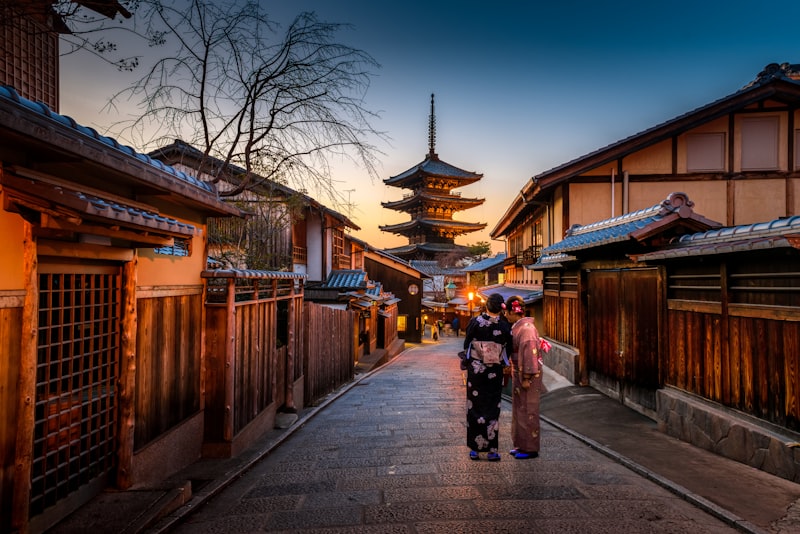
Master the art of staying in traditional Japanese inns with our comprehensive guide to customs, meals, and onsen bathing.
Staying at a ryokan is one of the most authentic Japanese experiences you can have. These traditional inns offer a glimpse into old Japan, but come with their own set of customs and etiquette that can be intimidating for first-time visitors.
## Before You Arrive
### What to Pack
- Most ryokan provide yukata (casual kimono) for wearing during your stay
- Bring or request toiletries if you're particular about brands
- Pack socks without holes - you'll be removing shoes frequently
- A small gift (omiyage) from your home country is appreciated but not required
### Check-in Timing
Traditional ryokan serve dinner at set times, usually around 6-7 PM. Arrive by 4 PM to:
- Check in properly
- Enjoy the onsen (hot spring) before dinner
- Change into your yukata for the evening
## The Ryokan Experience
### Removing Shoes
Upon entry, you'll remove your shoes and place them in a getabako (shoe cupboard). You'll receive slippers for indoor use. Remember:
- Never wear slippers on tatami mats
- There are usually separate toilet slippers - don't mix them up!
### Your Room
Traditional rooms feature:
- Tatami mat flooring
- Low table with zabuton cushions
- Futon bedding stored in oshiire closets
- Tokonoma alcove with seasonal flower arrangement
Staff will prepare your futon while you're at dinner. Don't try to do it yourself!
## Onsen Etiquette
The hot spring bath is often the highlight of a ryokan stay. Follow these rules:
1. **Wash before entering**: Thoroughly soap and rinse at the washing station
2. **Enter naked**: No swimwear allowed (though some modern facilities allow small towels)
3. **Tie long hair**: Keep it from touching the water
4. **No swimming or splashing**: This is for quiet relaxation
5. **Tattoos**: Some traditional ryokan ban tattooed guests; check in advance
6. **Dry off**: Before returning to the changing room
## Kaiseki Dining
The multi-course dinner is an art form:
- Be punctual - meals are served at set times
- Wear your yukata to dinner
- Appreciate the seasonal presentation
- Try everything, even unfamiliar items
- Pace yourself - there are many courses!
Common courses include:
- Sakizuke (appetizer)
- Hassun (seasonal platter)
- Suimono (clear soup)
- Mukozuke (sashimi)
- Yakimono (grilled fish)
- Takiawase (simmered vegetables)
- Gohan (rice), Tomewan (miso soup), Konomono (pickles)
- Mizugashi (dessert)
## Morning Rituals
Wake early to:
- Experience morning onsen (less crowded, different atmosphere)
- Enjoy a traditional Japanese breakfast
- Take morning walks in the surrounding area
- Pack and prepare for checkout (usually 10-11 AM)
## Tipping and Payment
Tipping is not customary in Japan. The service charge is typically included. Pay at checkout, often in cash as some traditional ryokan don't accept cards.
## Finding Your Perfect Ryokan
Consider these factors:
- **Budget**: From ¥10,000 to ¥100,000+ per night
- **Location**: Mountain retreats, coastal views, or city escapes
- **Food**: Some specialize in local cuisine or specific preparations
- **Onsen**: Private baths, rotenburo (outdoor baths), or sento-style
- **Language**: Staff English ability varies greatly
Some recommended ryokan for beginners:
- **Hoshinoya** (various locations) - Modern luxury with traditional aesthetics
- **Tawaraya** (Kyoto) - Historic, ultra-exclusive
- **Kikunoya** (Takayama) - Historic mountain town setting
- **Beniya Mukayu** (Kaga Onsen) - Contemporary art meets tradition
A ryokan stay isn't just accommodation - it's a cultural immersion. Embrace the rituals, disconnect from technology, and experience Japan as it has been for centuries.